

Содержание
- Where the Devon Rex came from and what makes it special
- What a Devon Rex kitten looks like
- Quick facts at a glance
- Bringing your kitten home: first 48 hours
- Feeding and nutrition for growing Devon Rex kittens
- Grooming and day-to-day care
- Health basics and vet care
- Training, play, and enrichment
- Choosing a breeder or adopting a kitten
- Essential supplies list
- Common questions new owners ask
- Conclusion
Devon Rex kittens look as if someone sketched a comic-book sprite and then decided to make it real. Big ears, wide eyes, a coat that feels like velvet — they are impossible to ignore. If you’re thinking about bringing one of these little whirlwinds into your home, this guide will walk you through what to expect, how to care for a kitten, and practical tips to help you and your new friend settle into life together.
Where the Devon Rex came from and what makes it special
The Devon Rex traces its origins to the English county of Devon in the late 1950s and early 1960s, when breeders noticed cats with unusually wavy coats and large ears. Over a few generations, dedicated breeders shaped those traits into the breed we know today. Unlike many short-haired breeds, the Devon’s curly coat is a genetic hallmark and gives them a distinctive, almost elfin appearance. More information on where to find kittens available it can be found by following the link.
What truly sets the breed apart is temperament: many owners describe the Devon Rex as being part cat, part small dog. They form strong bonds with family members, follow people from room to room, and often demand — in the sweetest way — to be included in everything that’s happening.
What a Devon Rex kitten looks like
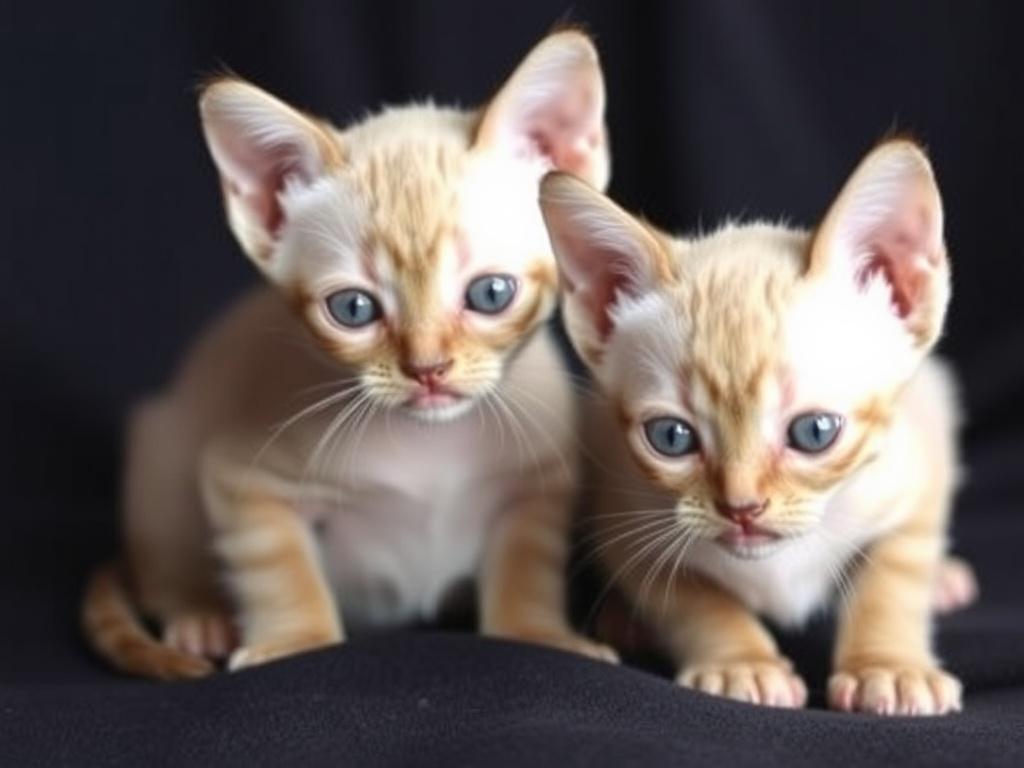
At a glance, Devon Rex kittens are all ears and eyes. Their heads are small and triangular, with high cheekbones and large, wide-set ears that give them a perpetual look of curiosity. Their bodies are slender and muscular, built for agility. The coat is short, soft, and curly; some kittens have tighter waves, others looser ripples, and a few may appear almost bare in places when very young.
Colors and patterns vary widely: solids, tabbies, tortoiseshell, and points are all common. Because the coat is thin compared to many other breeds, Devon Rex kittens often feel warm to the touch and prefer cozy, draft-free spots for naps.
Quick facts at a glance
Here’s a compact table you can use as a quick reference when you’re comparing breeds or planning care.
| Characteristic | Typical Range |
|---|---|
| Adult weight | Approx. 5–9 lb (2.3–4 kg) |
| Size | Small to medium |
| Coat | Short, curly, low to moderate shedding |
| Lifespan | About 9–15 years (depends on care and genetics) |
| Temperament | Playful, affectionate, curious, social |
Bringing your kitten home: first 48 hours
The first two days set the tone. Make a small, comfortable sanctuary for the kitten: a quiet room with a soft bed, litter box, food and water, a few toys, and a hiding place. Avoid overwhelming them with noise and new people. Let the kitten approach you on its own terms, and keep interactions gentle at first.
Plan a vet visit within the first week. The veterinarian will check weight, general health, and vaccination timing, and will answer breed-specific questions. If possible, bring any paperwork you received from the breeder or shelter — it helps the vet form a full picture of your kitten’s early care.
Feeding and nutrition for growing Devon Rex kittens
Like any kitten, a Devon Rex needs concentrated nutrition to support rapid growth and playful energy. Choose a high-quality commercial kitten formula that lists a named animal protein as the first ingredient. Kittens typically eat multiple small meals a day; follow the feeding guidelines on the food packaging and the vet’s advice, and adjust based on your kitten’s body condition and activity level.
Hydration matters. Provide fresh water at all times and keep bowls clean. If you offer wet food, it can help with hydration and is often easier for small kittens to eat. Treats are fine in moderation, but they shouldn’t replace balanced meals.
Feeding checklist
- High-quality kitten food (wet and/or dry)
- Fresh water, changed daily
- Small, shallow dishes to make eating easier
- Healthy, vet-approved treats for training
Grooming and day-to-day care
Devon Rex kittens are surprisingly low-maintenance in terms of brushing — the coat doesn’t mat, and because it’s short, hairballs are less common. However, that thin coat and big ears bring other responsibilities. Their ears can collect wax and debris, so regular gentle checks and cleanings are important. Skin can be sensitive; avoid harsh shampoos and use products made for cats when you bathe them.
Nail trims, dental care, and routine ear and eye checks should become part of a weekly habit. Because Devon Rex kittens often dislike cold, provide warm bedding and avoid placing their sleeping area near drafts.
Health basics and vet care
Devon Rex cats are generally healthy, but like all breeds they can be prone to certain conditions. The best approach is preventive: regular vet visits, a sensible vaccination and parasite-control plan, and early attention to any changes in appetite, behavior, or litter-box habits.
Microchipping and spaying or neutering at your vet’s recommended age are important for long-term health and safety. Keep a file of vaccination records, vet visits, and any medical notes — it’s invaluable for future care and for responsible rehoming decisions, should that ever become necessary.
Typical veterinary timeline
- Initial wellness check within the first week of adoption
- Vaccinations and boosters as advised by your veterinarian
- Parasite checks and preventive treatments guided by lifestyle and local risks
- Spay or neuter at the age recommended by your vet
Training, play, and enrichment
Devon Rex kittens are clever and energetic. They thrive on interactive play and mental stimulation. Puzzle feeders, wand toys, and climbing structures are excellent outlets for their curiosity. Because they bond strongly with people, they respond well to training — simple commands, walking on a leash, and even tricks are within reach if you use short, positive sessions.
Socialization during kittenhood pays off. Introduce your kitten to different sights, sounds, and friendly people in a low-stress way. If you have other pets, supervise their first interactions and allow the kitten to set the pace.
Choosing a breeder or adopting a kitten
If you choose to buy from a breeder, look for someone who prioritizes health, temperament, and socialization. A responsible breeder will let you meet the kitten’s parents, provide health records, and answer detailed questions about lineage and care. They should also be transparent about any known health issues in their lines.
Adoption is a wonderful option too. Rescue groups and shelters occasionally have Rex-type cats or even purebred Devons in need of homes. Adoption can be faster and often comes with initial vet screening and vaccinations already handled.
Essential supplies list
Before the kitten arrives, gather a basic kit so you’re ready.
- Litter box (small and low-sided for a kitten) and unscented clumping litter
- High-quality kitten food and shallow feeding bowls
- Warm bed or soft blanket
- Scratching post or cat tree
- Toys for chasing, pouncing, and chewing
- Carrier for vet visits and travel
- Nail clippers, soft brush, and gentle ear-cleaning supplies
- Collar with breakaway safety clasp (optional) and microchip registration
Common questions new owners ask
How much attention does a Devon Rex kitten need? Quite a bit. They are social and like human company, so if you’re away long hours it’s worth considering a second pet or extra enrichment to keep them busy.
Do they shed a lot? No — the coat is short and sparse compared with many breeds, but they still shed and benefit from occasional gentle grooming.
Are they good with kids and dogs? Usually yes, especially if socialized early. Their playful nature often makes them a great match for active families, but supervision and respectful handling are essential.
Conclusion
Devon Rex kittens are lively, affectionate companions with unique looks and big personalities. They reward owners with playful antics, close bonds, and an eagerness to participate in daily life. Raising one takes some specific considerations — warmth, ear care, and plenty of social interaction — but the return is a deeply engaging pet who quickly becomes part of the family. If you’re ready for a curious, talkative, and utterly charming little roommate, a Devon Rex kitten might be exactly the companion you’ve been waiting for. Start with good feeding, routine vet care, careful socialization, and lots of play, and you’ll give your kitten the best chance to grow into a healthy, happy adult cat.
Рекомендуем прочитать:
 Keeping Your Parrot’s Respiratory System Healthy: A Friendly Guide for Every Bird Owner
 How to Spot and Treat Feather Plucking: A Friendly, Practical Guide for Caring Bird Owners
 Recognizing Symptoms of Proventricular Dilatation Disease (PDD): A Bird Owner’s Guide
 Breathless Feathers: A Complete Guide to Respiratory Infections in Parrots